
Share
Imagine waking up to a world where the power is out, payment systems are down, and your banking app is just a useless icon on your phone. No panic—just a thought experiment. But it raises a fascinating question: when modern systems fail, what still holds value?
Across centuries of upheaval, collapse and uncertainty, humanity keeps arriving at the same answer: gold.
Now imagine the Wi-Fi is gone. Supermarket shelves are bare. Your neighbour is quietly barricading their driveway. And someone on Facebook (miraculously still posting) has confirmed that yes, it really is a zombie apocalypse.
Panic follows. Toilet paper becomes priceless. Crypto is inaccessible. Your banking app spins endlessly like a tragic loading wheel of doom.
So what, exactly, becomes valuable when the systems we rely on disappear?
Surprisingly (or perhaps reassuringly), the answer is the same as it’s been for thousands of years: gold.
When civilisation collapses, trust collapses too.
Money only works because we all collectively agree it does. A R200 note has no intrinsic value—it’s just cotton fibre with ink—but we trust that someone else will accept it in exchange for bread, petrol, or coffee.
In a crisis scenario, that trust evaporates almost instantly.
Banks? Closed.
Digital payments? Offline.
Government guarantees? Irrelevant.
Suddenly, value shifts away from institutions and back towards tangible, universally recognisable assets—items with inherent worth, portability, and scarcity.
Which brings us neatly to gold coins.
Why not just barter?
In early survival phases, people would absolutely barter. You’d trade batteries for bottled water, tinned food for antibiotics, and maybe even your last slab of biltong for a working generator.
But barter has serious limitations:
- You need a double coincidence of wants (they must want what you have).
- It’s inefficient for complex trade.
- It’s impossible to price fairly over time.
Eventually, any functioning community needs a medium of exchange again.
And historically, when societies reset, they don’t reinvent the wheel. They return to what worked before.
Gold: humanity’s original safe haven
Gold has been trusted as a store of value for over 5,000 years. Not because governments said so, but because people independently arrived at the same conclusion across different civilisations.
Why gold (and especially gold coins) work so well in crisis scenarios:
1. Scarcity
Gold cannot be manufactured, printed, or inflated into worthlessness. What exists must be mined, refined, and physically obtained.
2. Durability
Gold doesn’t rust, corrode, degrade or expire. You could bury a gold coin for 100 years and retrieve it in perfect condition.
3. Portability
A handful of coins can represent significant value without requiring wheelbarrows or storage warehouses.
4. Divisibility
Coins naturally allow for different denominations and sizes–ideal for practical trade.
5. Universal recognisability
Even people with no financial education intuitively understand gold’s value. It shines, it’s rare, and it has been desirable across every culture.
Cigarettes, canned food… and then gold
Post-crisis economics isn’t theoretical. We’ve seen real-world micro versions play out repeatedly:
- Prison economies where cigarettes became currency
- War zones where foreign coins and bullion retained purchasing power
- Hyperinflation scenarios (Zimbabwe, Weimar Germany, Venezuela), where hard assets replaced collapsing fiat money
Initially, consumables become king. But as stability returns, communities begin seeking something more permanent. That’s where precious metals historically reassert themselves.
It’s no coincidence that after major conflicts, gold-backed currencies often re-emerge, even informally.
Why coins, specifically?
A gold bar might be impressive, but try buying a loaf of bread with it.
Coins solve practical problems:
- Recognised weights and purity
- Easier verification
- Smaller units of value
- Greater trust in established minting traditions
There’s also a psychological element: coins feel like money. They carry history, symbolism, and authority in a way that chunks of metal don’t.
The irony: it’s quirky fiction… but very real logic
Of course, this is all hypothetical. Light-hearted. A fun mental exercise.
But underneath the humour lies a profound truth: gold’s value is not dependent on systems. It is dependent on human nature.
People value scarcity.
People value beauty.
People value permanence.
People value objects that endure when everything else feels fragile.
Zombie apocalypse or not, that fundamental psychology doesn’t change.
So, should you start building a bunker?
Not necessarily. But it’s worth noting that throughout history, the people who weathered upheaval best were those who diversified their wealth beyond paper promises and digital ledgers.
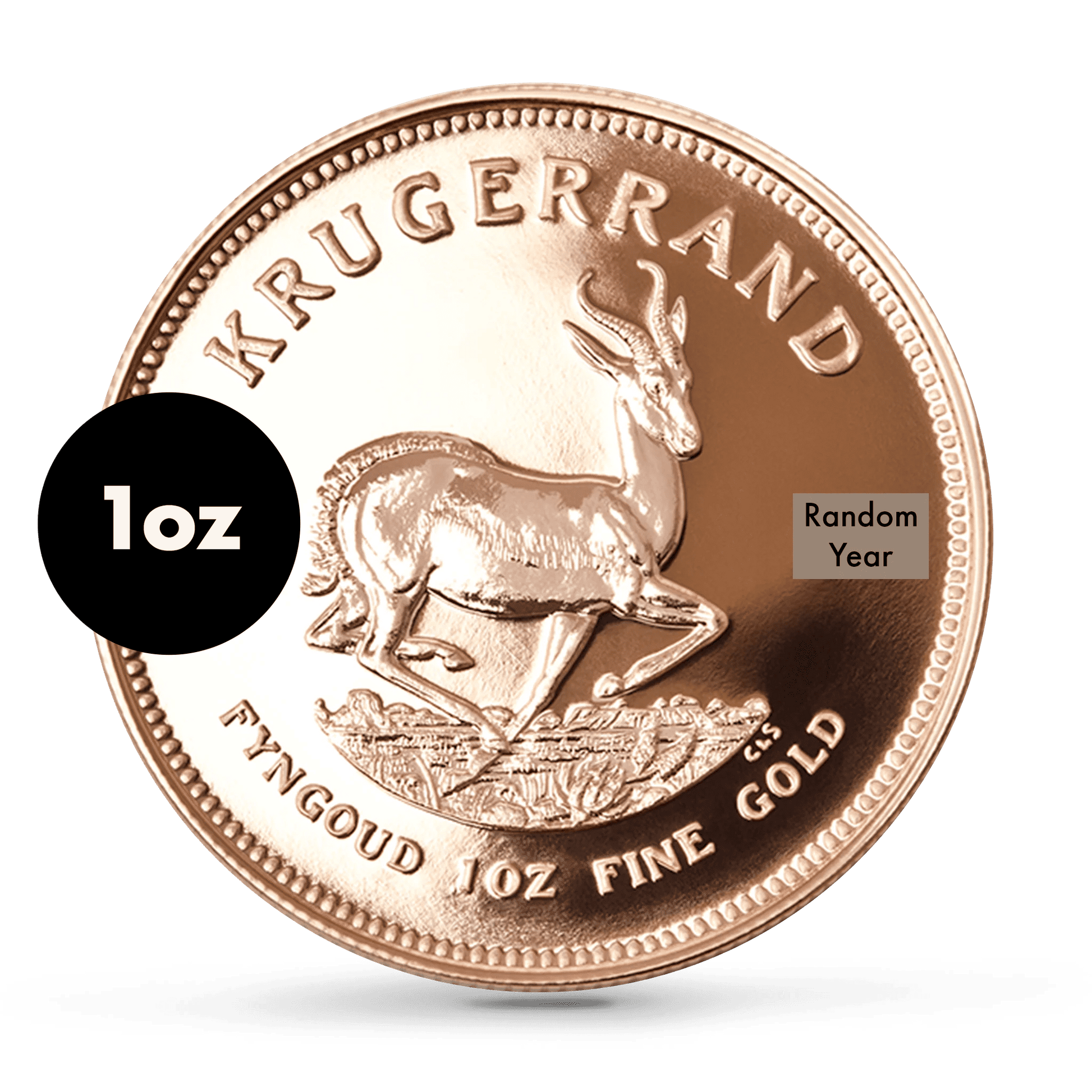
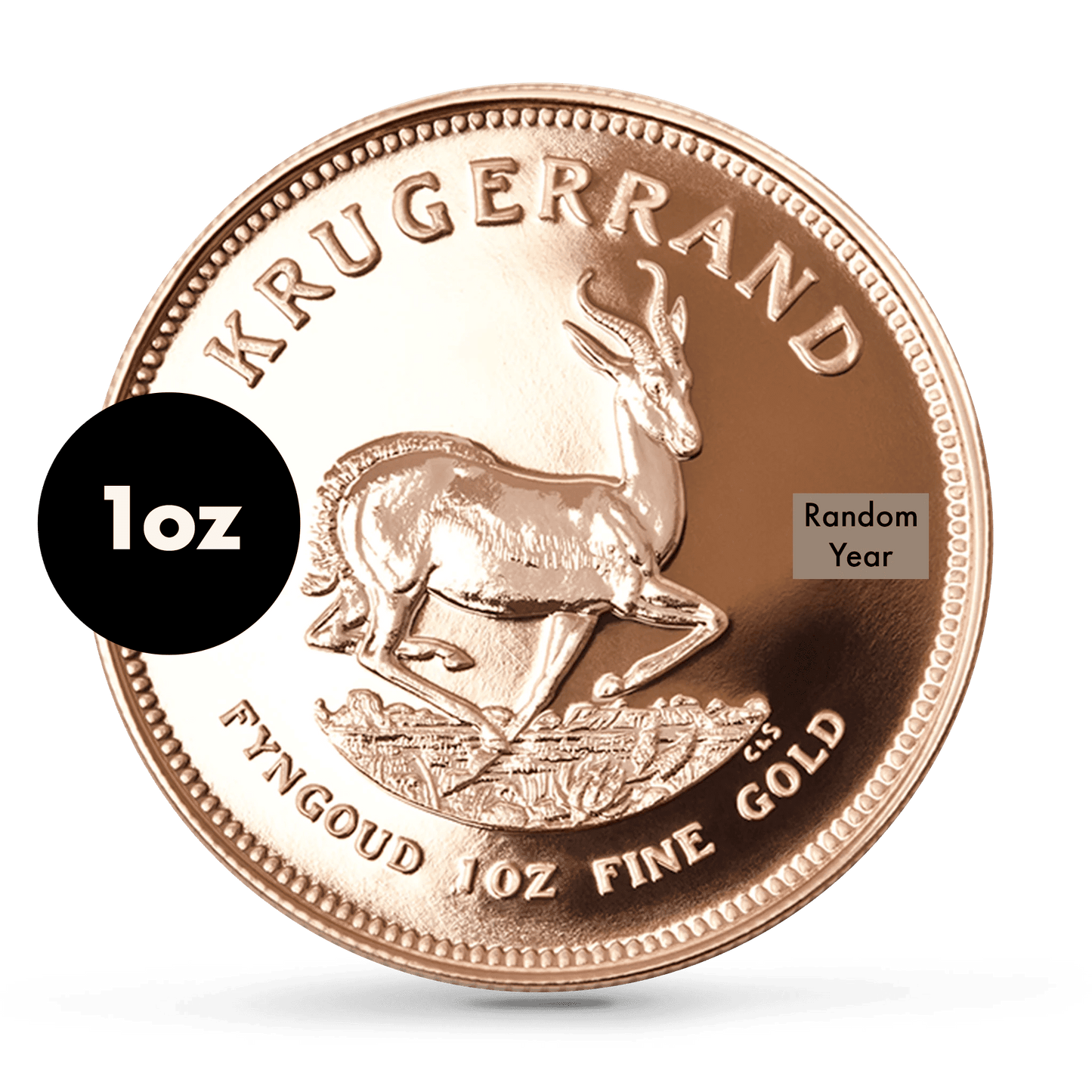
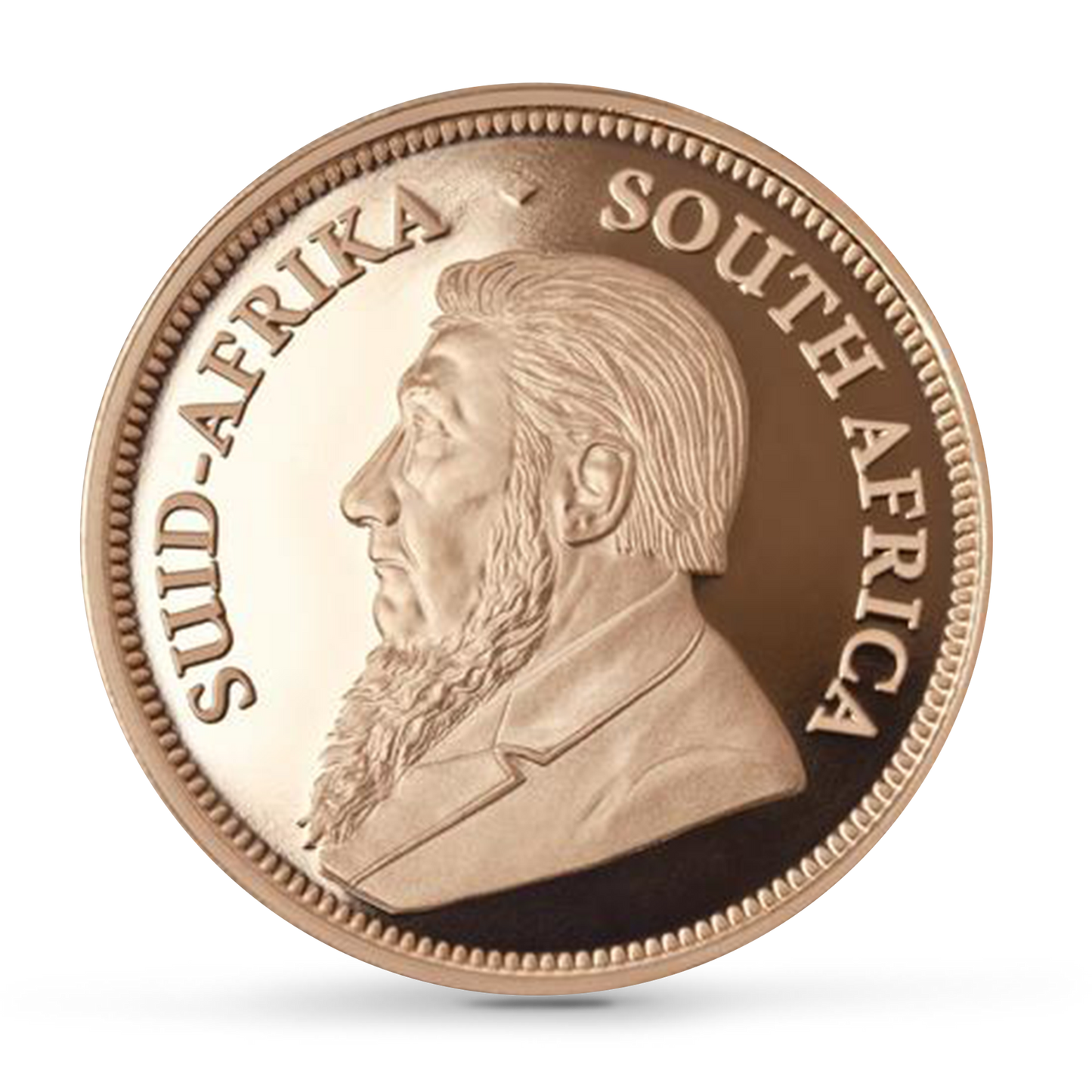
Gold coins, whether collected for passion, heritage or long-term security, represent something increasingly rare in the modern world: value you can actually hold in your hand.
And if the zombies never come?
You’re still left with something beautiful, historic, finite and globally respected. Gold has outlived empires, currencies, technologies and countless financial experiments—not because it’s fashionable, but because human nature hasn’t changed.
Whether you see gold coins as collectables, legacy pieces or simply objects of enduring worth, they occupy a rare space in the modern world: value you can hold in your hand, independent of apps, algorithms or institutions.
Which is a far better outcome than being left with a pile of expired loyalty points and a forgotten password.