
Share
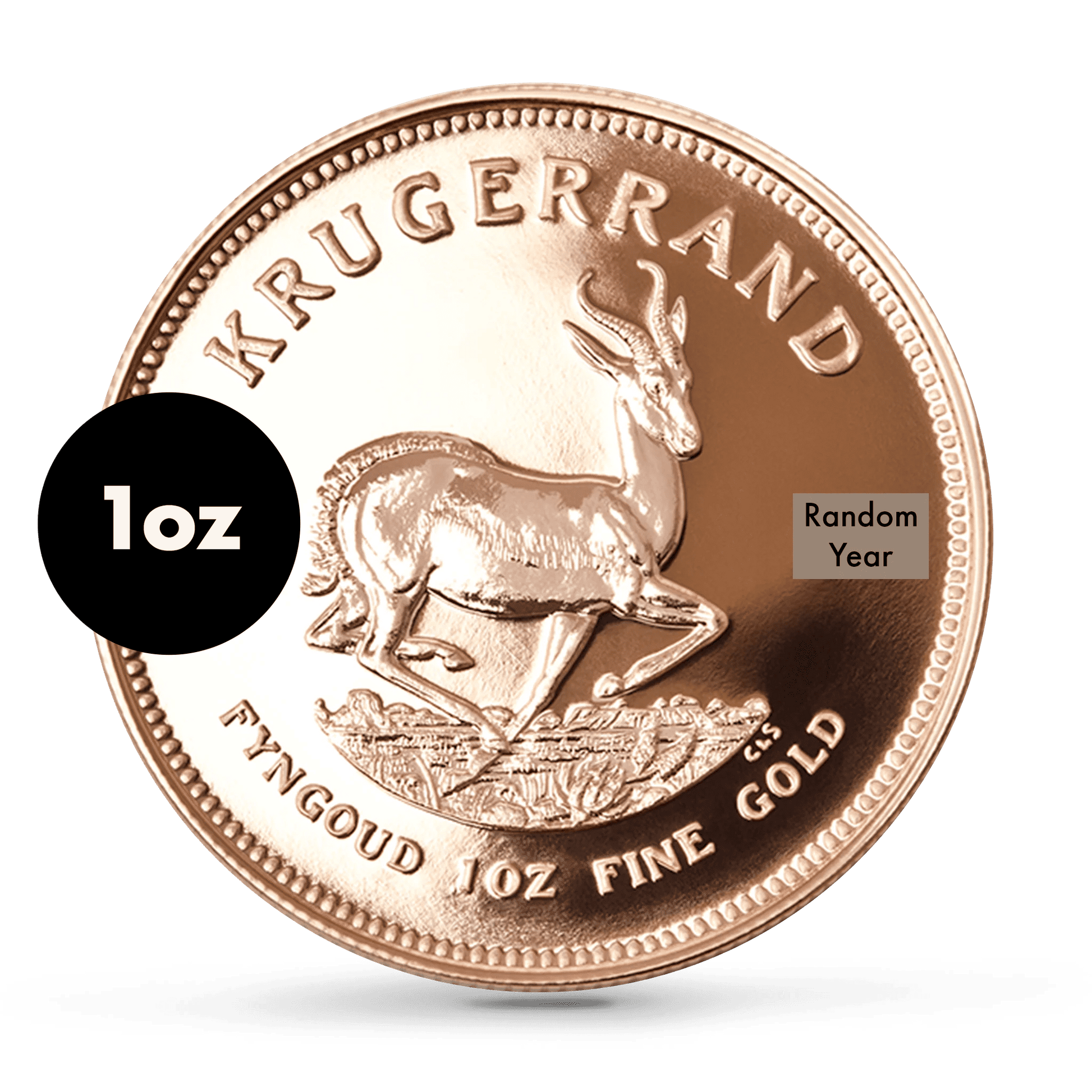
If Hollywood’s famous trophy were made from pure gold, it could equal the value of more than 120 South African Krugerrands.
Every year, the Academy Awards delivers its familiar moment of cinematic magic: the envelope opens, a name is read, and a stunned actor or director walks onto the stage to lift one of the most recognisable trophies on Earth—the iconic Oscar Statuette.
The statuette gleams under the lights. Cameras flash. Acceptance speeches begin.
But here’s a question that rarely gets asked during all the excitement:
What would that famous statue actually be worth if it were made entirely from solid gold?
Let’s do the maths.
The Oscar stands about 34 centimetres tall and weighs roughly 3.8 kilograms. If the entire figure were cast from pure gold, its metal value alone could exceed $250,000—around R4.5 million—at current global gold prices.
With the gold price trading near record highs in recent years, the precious metal has once again captured global attention as both a store of value and a symbol of prestige.
That’s a very expensive piece of movie memorabilia.
Of course, the famous statuette isn’t actually solid gold. It only looks that way. The Oscar is cast from Britannium—a metal alloy made mostly of tin—before being finished with a layer of 24-carat gold plating.
Still, the golden finish is no accident. Gold has symbolised the highest level of achievement for thousands of years.
Ancient Egyptian rulers surrounded themselves with gold treasures believed to represent eternity. Roman emperors wore golden wreaths to celebrate victory. Across centuries, crowns, medals and ceremonial objects have all been fashioned from the same precious metal.
Gold simply carries meaning.
“The symbolism is what matters,” says Rael Demby. “Gold has always represented the highest level of achievement. When an award is finished in gold, it sends a clear signal that this is the pinnacle of excellence.”
The Oscar itself has a story worthy of Hollywood. The statuette was designed in 1928 by art director Cedric Gibbons and sculpted by George Stanley. The knight figure stands on a reel of film while holding a crusader’s sword—a symbol of the motion picture industry.
Since the first ceremony in 1929, the gold-plated trophy has become one of the most coveted awards in the world.
But if the Oscar really were made from solid gold, its weight would translate into something quite familiar in the world of precious metals.
“A solid gold Oscar would contain roughly the equivalent of 122 one-ounce Krugerrands,” says Demby. “It’s a striking way to understand just how valuable gold is—and why the metal has symbolised excellence from ancient crowns to modern awards.”