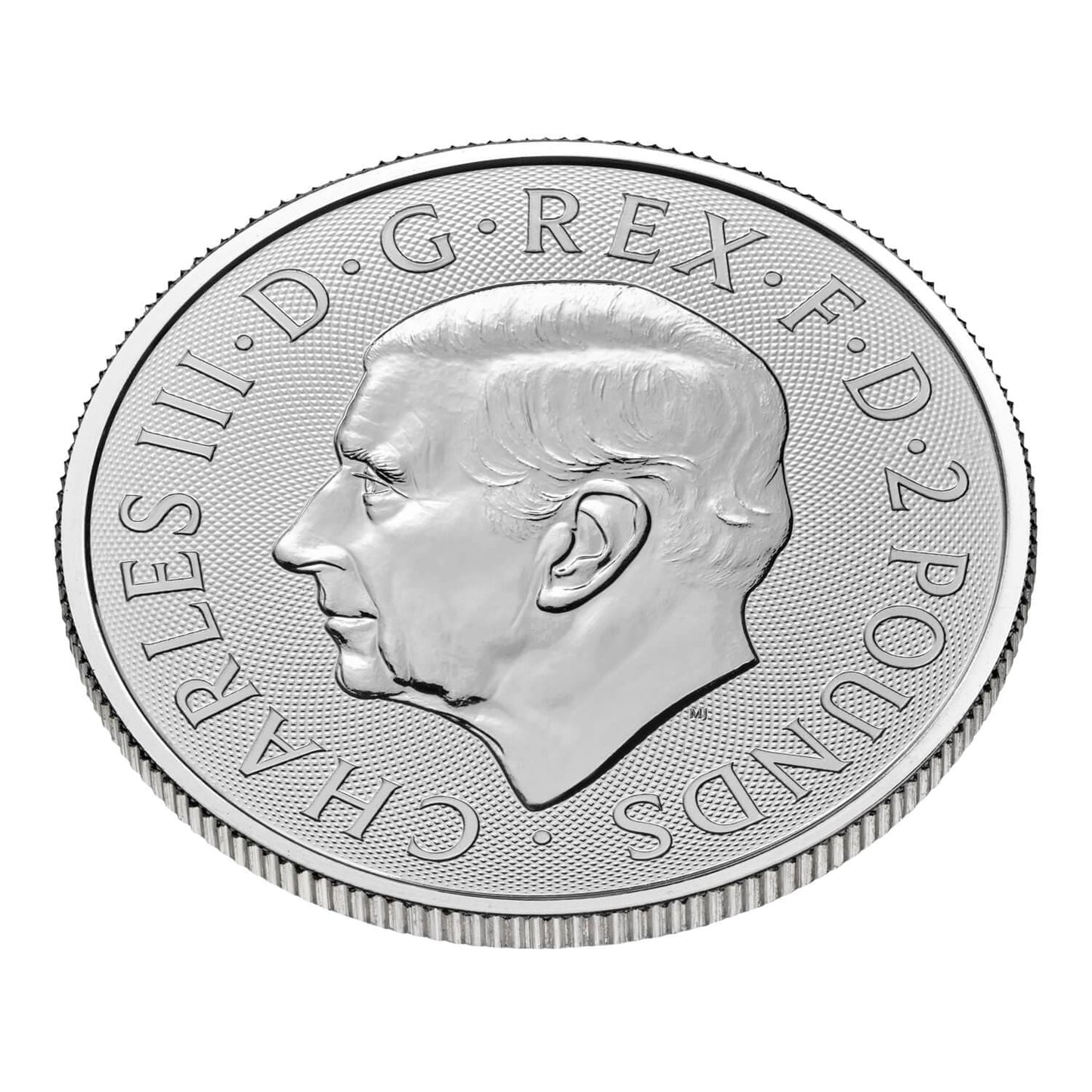

Image source: The Royal Mint
Few institutions in the world can trace their history back more than a millennium—and fewer remain as relevant today as The Royal Mint. With a legacy spanning over 1,100 years, it is not just one of the oldest organisations in existence, but one that continues to shape the modern precious metals landscape.

A History Forged Through Centuries
The story of The Royal Mint begins around 886 AD, during the reign of Alfred the Great, when England began to establish a more unified system of coinage. For centuries, coins were struck by hand within the formidable walls of the Tower of London—each piece a mark of authority, trust, and economic control.
By the late 13th century, The Royal Mint had become the sole producer of official English coinage. Its influence deepened significantly under Isaac Newton, who took on the role of Master of the Mint in 1699. Newton wasn’t just a figurehead—he actively reformed the currency, cracked down on counterfeiters, and helped stabilise England’s monetary system at a critical time.
From London to Wales: A Modern Evolution
In 1968, The Royal Mint moved from London to Llantrisant in South Wales, marking a shift into a more modern, industrial era. Today, it operates as a state-owned company and produces coins and medals for more than 60 countries worldwide.
That global reach isn’t accidental. It reflects a rare balance—centuries-old craftsmanship combined with cutting-edge minting technology. Over time, The Royal Mint has also expanded beyond circulation coinage, becoming a major producer of bullion and commemorative issues.
Iconic Coins and Enduring Appeal
Among its most recognised products are the Britannia gold coin and the British Sovereign—both widely traded and collected around the world.

The Britannia, introduced in 1987, is known for its advanced security features and strong visual symbolism. The British Sovereign, with origins dating back to 1489, remains one of the most familiar gold coins globally, valued for its heritage and instantly recognisable design of St George and the dragon.
The Mint also produces official coinage bearing the portraits of British monarchs—from Queen Elizabeth II to King Charles III—making each coin a reflection of its time.
Innovation Meets Tradition
Despite its deep historical roots, The Royal Mint continues to evolve. It has led the way in anti-counterfeiting technology, introduced advanced digital design techniques, and, more recently, moved into sustainable precious metals, including gold recovered from electronic waste.
For collectors and those interested in precious metals, this results in coins that are not only visually striking but also technically sophisticated. Just as importantly, products from The Royal Mint are widely recognised and trusted across global markets.
A Global Standard
In many ways, The Royal Mint represents a rare constant in a changing world. Its coins are recognised, trusted, and traded internationally—bridging the gap between history and modern-day collecting.
For today’s buyer or collector, that matters. Because beyond the craftsmanship and heritage, what The Royal Mint ultimately offers is something enduring: a name that has stood the test of time—and continues to do so.